Phacelia
Dear reader, the importance of bees in crop production is extremely high. There are studies that show how many years humanity will be able to maintain its population after the disappearance of the bee. The dates are different, but the fact that humanity cannot survive without it is a conclusion that all researchers agree on.
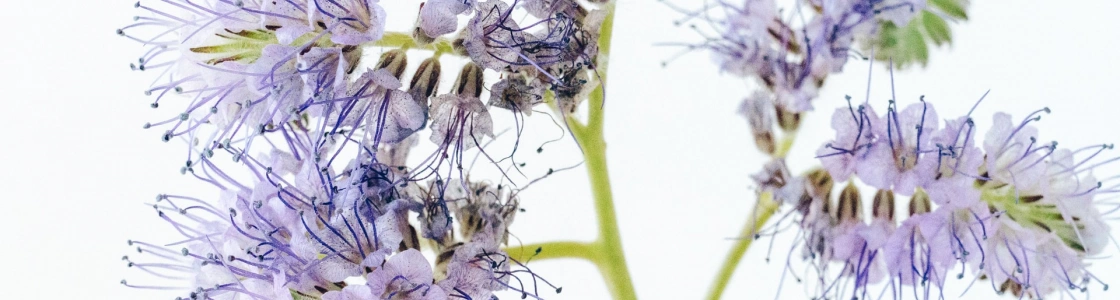
Phacelia is the most honey-bearing plant. For us, it is interesting primarily as a small-seeded crop, for cleaning its seeds from debris and impurities. Phacelia is native to North and South America. There are types of annual and perennial plants, the height of Phacelia varies from 0.5 to 1 m. Phacelia blooms very profusely, thanks to its densely branched shoots, which contain many flowers.
They brought us phacelia, clogged with various plant and mineral debris. It is problematic to clean small-seeded plants with a combine when harvesting - aspiration air carries small seeds of the crop out of the heap.
Sometimes people ask: why are such small seeds divided into fractions? I answer - definitely.
Firstly: you will receive absolute purity of seeds in each faction.
Secondly: you will strictly select heavy, and therefore strong, seeds from each faction.
Thirdly: you can strictly set the sowing rate in units kg/ha, since each fraction will have its own mass of 1000 units. seeds.
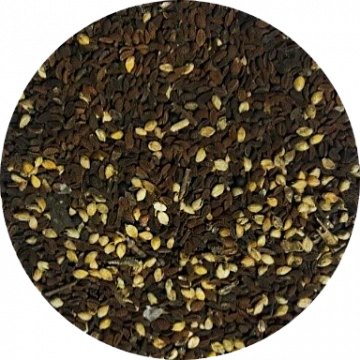
Fig.1. Source material.
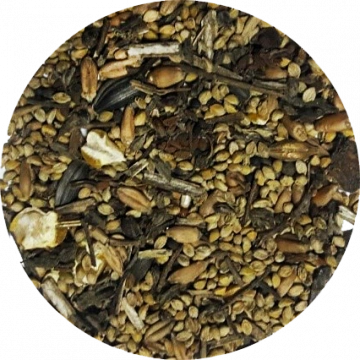
Fig.2. Large litter.
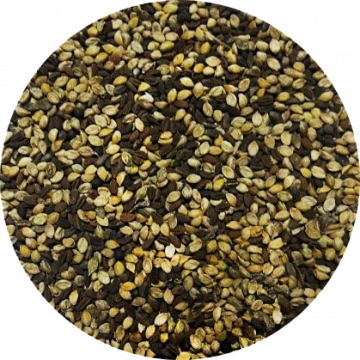
Fig.3. Discharge from sieve 2.0.
We were convinced of this in the example of phacelia.
The source material was clogged (Fig. 1). There is no other way: the combine can blow small seeds into the field.
Large rubbish came off Fadeev's sieve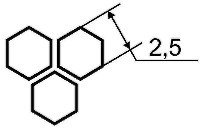 (Fig. 2).
The small fraction of seeds passed through the Fadeev sieve 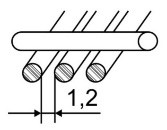
A large fraction of seeds passed through the Fadeev sieve 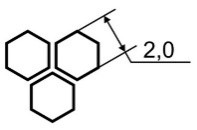 .
.
And the rubbish larger than such seeds came off (Fig. 3).
The pneumatic vibration table sequentially divided each fraction into light and heavy (Fig. 4-7).
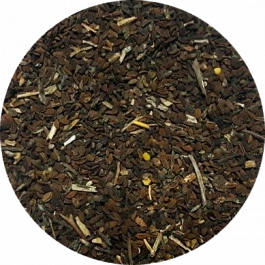
Fig.4. Passage through sieve 1.2 light after PVSF.
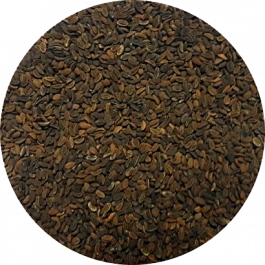
Fig.5. Passing through a 1.2 heavy sieve after PVSF.
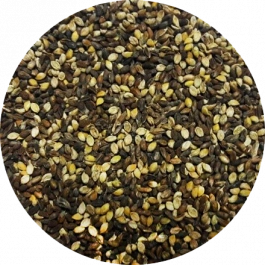
Fig.6. Passage through 2.0 light sieve after PVSF.
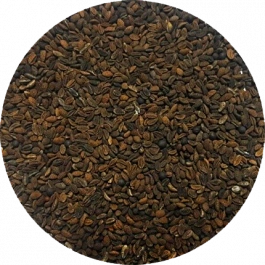
Fig.7. Passing through a 2.0 heavy sieve after PVSF.
The general scheme for cleaning phacelia is shown in Figure 8
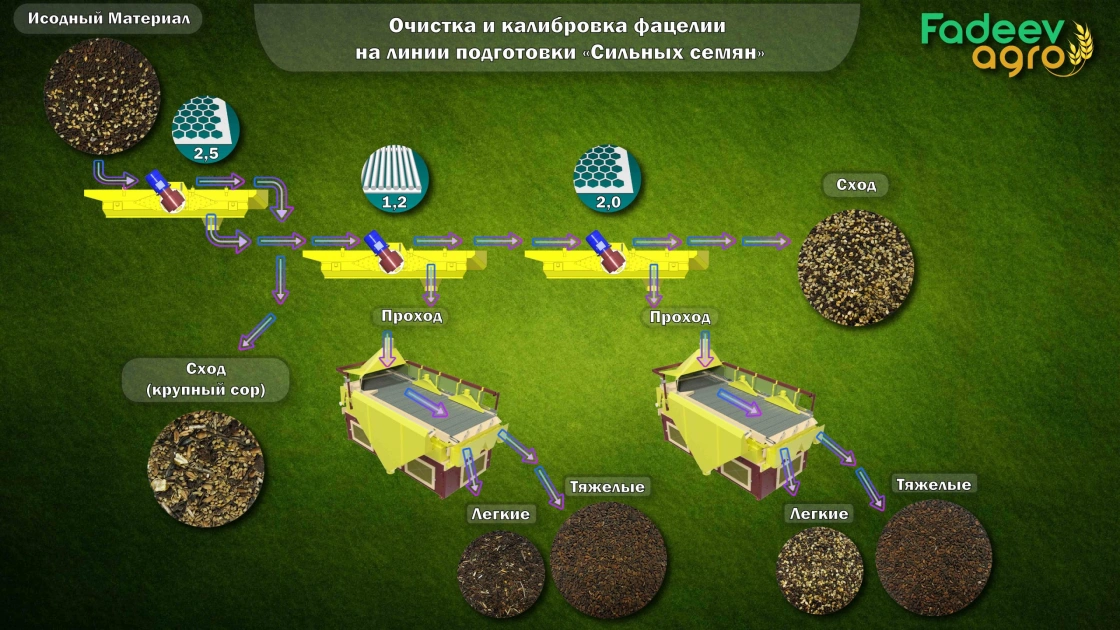
Fig. 8. Phacelia cleaning scheme.
The seeds of phacelia, due to their very complex shape and poor flowability, pose a certain difficulty in cleaning and producing seeds. Our plant easily copes with these difficulties.