The Ground And Man On It
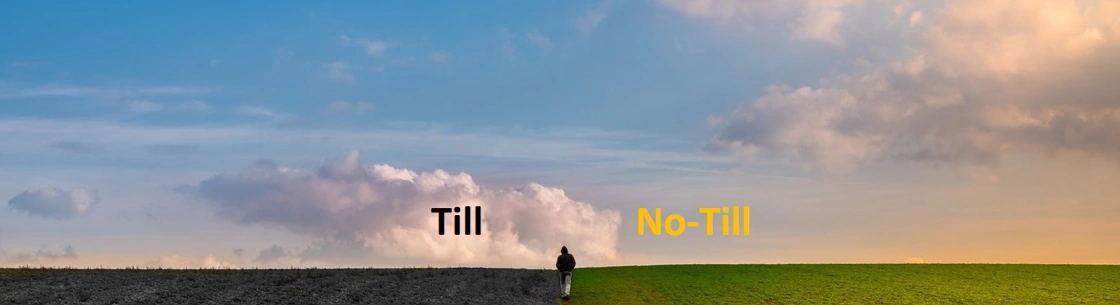
Earth and man on it
The article presented to your attention is the result of communication with leading experts in plant growing.
This is Mikhail Draganchuk,RomankovEduard, Elena Dudkina. And also with practical farmers who have many years ofexperience in working with the technologyNo—Till:
Lyuft Yuri, Yazykov Alexey, Bednenko Andrey, Maklyak Vladimir, Voytovik Mikhail and many others. I was lucky to live to see the generation that not only proved the dead end of traditional land cultivation, but showed the way out of this dead end. The path is clear - complete agreement with Nature.
With gratitude to those who read this article
Ph.D., Director of Fadeev Agro Plant LLC
Leonid Fadeev
Dear reader. I took up this article several times, but current affairs suspended the writing. And finally, I decided to bring the matter to an end.
For clarity, it seems to me possible to use this technique - to rise above time and look at the history of the field that farmers are currently cultivating. And more specifically, those fields that today are located on the lands once called the Black Sea steppes.
It all started like this. At the end of 2020, astrophysicists clarified the age of our Universe. She is neither more nor less than 13 billion 790 million years old. Our solar system and Earth are much younger – 4.5 billion years old. Life on Earth was possible only thanks to the incredible combination of a huge number of random events and factors. If the events themselves are individually natural, then their coincidences in time and space are purely random. We can start with the fact that the mass of the Earth and its speed predetermined the distance of the Earth from the Sun, which in turn predetermined the temperature regime on Earth suitable for the beginning of life on it.

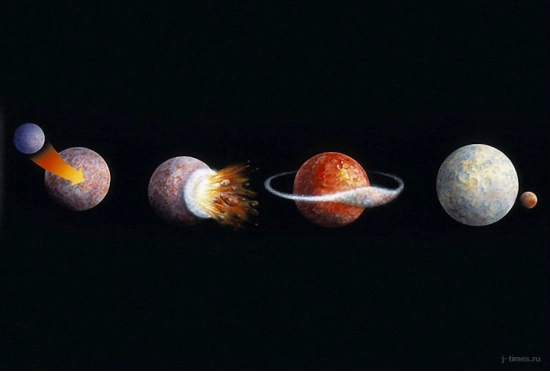
The accidental collision of the planet Theia with the Earth at the time of its formation knocked out such a part of the Earth's mass , which today is its satellite - the Moon. At the same time, the Moon is at such a distance from the Earth and rotates at such a speed that both of these factors ensure a stable position of the Earth’s rotation axis. Which, in turn, determines the stability of temperature zones at different latitudes. And finally (largely), physical and chemical processes on Earth led to the formation of the ozone layer in the upper part of the atmosphere, without which, due to radiation from the Sun, any life on Earth is impossible. It was this random combination of main events that predetermined the beginning of life on our planet. Now about life itself.
Green planet Earth
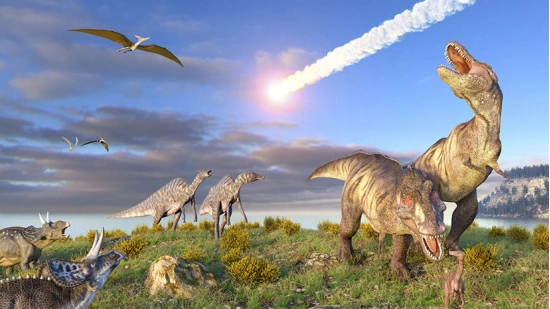
Today we can say with complete confidence that 200 million years ago life on Earth was in full swing. There is evidence that the earthworm lived on Earth already 500 million years ago. The remains of dinosaurs dating back to that period (200 - 66 million years BC) prove that before the tragic event - the fall of an asteroid with a diameter of more than 10 km in the shallow waters of the Gulf of Mexico, which happened 66 million years ago, they ruled the earth for 130 million years ago dinosaurs. These monsters, on land, in the air, and in the ocean, hindered the development of mammals. The impact of the asteroid caused intense volcanic activity on Earth. Widespread fires, smoke and volcanic ash tightly closed the Earth from sunlight for several years. The earth plunged into darkness. The vegetation died. The dinosaurs didn't survive. Turtles, crocodiles and sharks have survived and survived to this day.
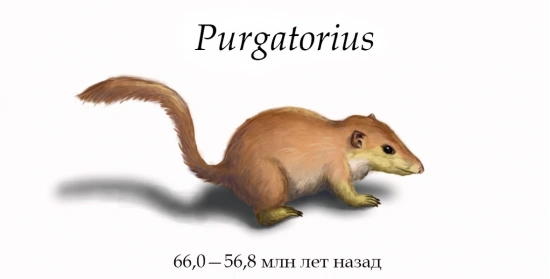
But after the restoration of vegetation, in the absence of dinosaurs, the time came for the development of mammals. Today, paleontologists know for certain that among the mammals, an animal survived, which was named PURGATORIUS. He was saved by the fact that he lived in deep holes and it was he who later turned out to be the progenitor of all mammals, including primates.
And again an accident. If this asteroid had fallen into deep water, its kinetic energy would have been significantly extinguished by the density of water, which at a depth of 1 km is 100 atm, and the reign of dinosaurs on Earth would have continued. But what happened happened.
We started like this
-550x309.webp)
If we talk about human history, anthropologists date its beginning to a period of 6-7 million years ago. Our most ancient ancestors are HOMINIDS. This is a species of monkey whose main habitat was forested areas. Their front paws provided them with high maneuverability. And when, due to climatic conditions, forest areas decreased, hominids were forced to adapt to life on the plains. In tall grass, you can avoid attacks from predators only by looking around the surroundings, and for this you need to straighten up. The upright posture of the future man began precisely from that period, i.e. about 6 million years ago.
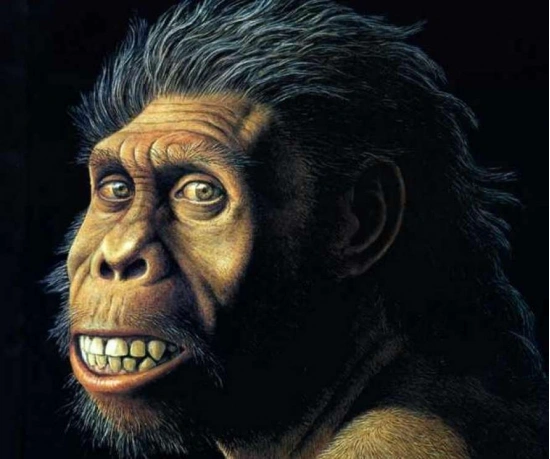
Over the next five million years, hominids advanced in evolutionary development to the ability to manufacture tools for hunting. It was already a creature between a monkey and a man. Anthropologists called them PETICANTHROPES. This is a period of 1.8 million years ago. These are not “Homo” yet, but they are no longer animals. They could already find sharp stones and attach them to a stick, sharpen the ends of the sticks - a spear. In addition, Pithecanthropus learned to control fire. This is how their evolution to “Homo” went.
About 1.5 million years ago, Pithecanthropus began to emerge from Africa and gradually colonized the territories of the East, Europe and Asia. But these were already “Homo”. About a million years ago they formed four species of primitive people. Even 100 thousand years ago, they lived in parallel in Afro-EuroAsia (without Australia and America).
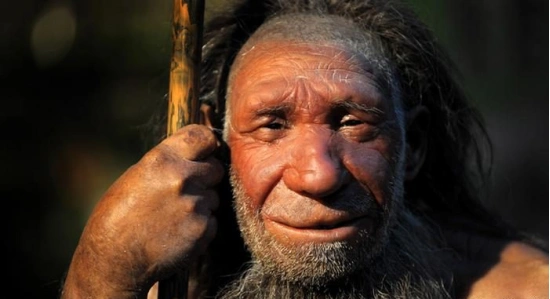
Anthropologists called them this: those who were located in Europe - Neanderthals; in Asia - Denisovans; Hobbits - on the island of Flores; and Cro-Magnons in Africa. “Homo” is one genus, but different species (genes). Primitive people were a reflection of the natural course of evolution. They took their place in Nature without causing damage to it. A nomadic way of life, hunting for small animals, gathering - this is their destiny and place in the hierarchy of the animal world. The number of these primitive people 100 thousand years ago was about 1 million people.
Probably this could have gone on for millions of years. But somewhere around 100 thousand years ago, among the Cro-Magnons in Africa, a mutation of thinking occurred towards Homo sapiens, whom anthropologists called “Homo Sapiens” - Homo sapiens. This mutation endowed the human mind with the possibility of self-improvement, and thereby predetermined the entire subsequent history of mankind.
Man went beyond natural selection, he emerged from the evolutionary process and his mind was endowed with the ability to receive the experience of the previous generation, improve it and pass it on to the next generation. Sapiens in a short time (about 20 thousand years) established itself in Africa and about 80 thousand years, in the amount of about 200 people, entered the vastness of Europe, the East and Asia.
Outwardly, these were already people so similar to us that if one of them ended up on the table of today’s pathologist, the doctor would not notice the difference in front of the previous and subsequent “patients” . Sapiens quickly conquered almost the entire surface of the planet. 45 thousand years ago it reached Australia and the islands of Oceania. Passed through Siberia and the Bering Strait to America. But first he mastered the northern latitudes of Siberia and Alaska, and then 14 thousand years ago he began to explore America, and in 3 thousand years he reached the southern point of South America.
Thus, 10 thousand years ago, Sapiens established itself on Earth as its king. But this statement occurred (and is still happening) with harm to Nature. If we assume that Nature is capable of evaluating its actions, then today, on its behalf, we can confidently say that the last mutation in the Cro-Magnon thinking towards Sapiens was Nature’s mistake. Sapiens (reasonable humans), using the superiority of their thinking and developed speech, easily won the competition for sources of life from Neanderthals and other related Homo. Their life stopped in those territories that Sapiens reached. The same fate befell large animals. While moving behind a retreating glacier in Siberia, Sapiens destroyed (ate) a mammoth. The last mammoths lived on Wrangel Island. Sapiens arrived on the island about 5 thousand years ago, and the last mammoths were killed by them. The same thing happened when Sapiens moved across North and South America. Moreover, by this time Sapiens had invented a weapon for remote killing - the bow (about 30 thousand years ago).
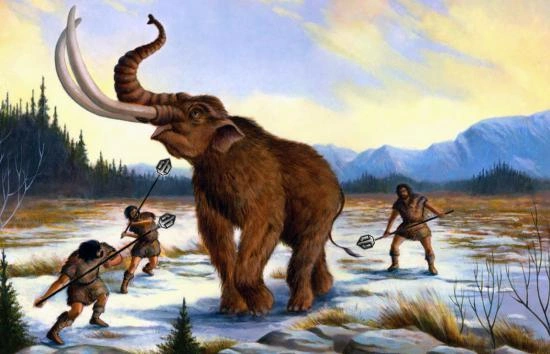
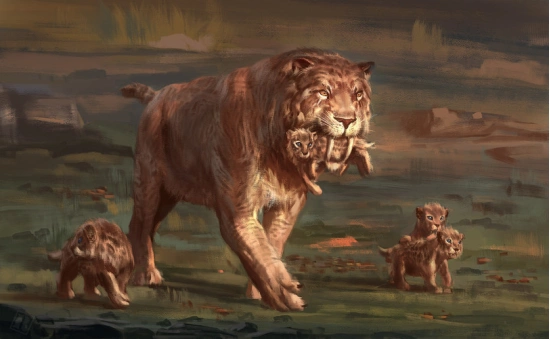
The American continent before the advent of Sapiens had a full diversity of large animals, both herbivores and carnivores. Mammoths, huge herds of elephants, camels, huge lions, saber-toothed tigers, giant sloths, weighing up to 8 tons and 6 meters tall. In America there were plants and animals that were not found on other continents. Hunting in America was not very difficult for Sapiens. Wild animals on this continent had never met humans before and did not know his cunning (unlike wild animals in Africa, which is why they survived). Man did not cause them fear - an outwardly small, weak animal with a large head and frail limbs. Animals, without fear for their lives, allowed a person to approach at a distance from which he could shoot from a bow at the animal’s vulnerable spot without missing a beat. Thus, in North America, 34 species of large animals out of 47 that lived there before the appearance of Sapiens were destroyed.
Only after the discovery of America by Europeans, horses and other domesticated animals were brought there, but this is already our time. South America suffered even more. Of the 60 species, 50 were destroyed. Saber-toothed tigers dominated South America for 30 million years before Sapiens appeared there. 5,000 years ago, Sapiens reached Cuba and Haiti and the last giant sloths were destroyed there. It seemed that Australia should have been lucky in this regard - Sapiens got there 45 thousand years ago before the invention of the bow, but that was not the case. A kangaroo weighing up to 200 kg, a marsupial lion (all mammals there were marsupials), wingless birds twice the size of ostriches, all disappeared after the appearance of Sapiens on this continent. It was the most terrible and rapid catastrophe in the history of the earth's animal world.
Why am I writing about this? I want to show that Sapiens - Homo sapiens - did not have the intelligence to realize that he was irrevocably destroying animal species that would never be reproduced by nature.
In our time, Sapiens, i.e. You and I, with the same misunderstanding, through intensive agriculture, are destroying the life of the soil biota, thanks to which the entire plant and animal world, including humans, appeared and exists on Earth. Closer to our time. In order to thoroughly understand the need to change the attitude towards the land and, in general, towards agricultural technology, it is necessary to identify the place of man in his habitat.
In 2020, large-scale studies and calculations of the total amount of all life on Earth were carried out. It turned out that the mass of all vegetation and animals, including birds, inhabitants of the seas and oceans, microorganisms, including soil biota, is 550 Gt (1 Gt = 1 billion tons). Of this total mass, plants make up about 450 Gt and only 100 Gt are accounted for by other life forms.
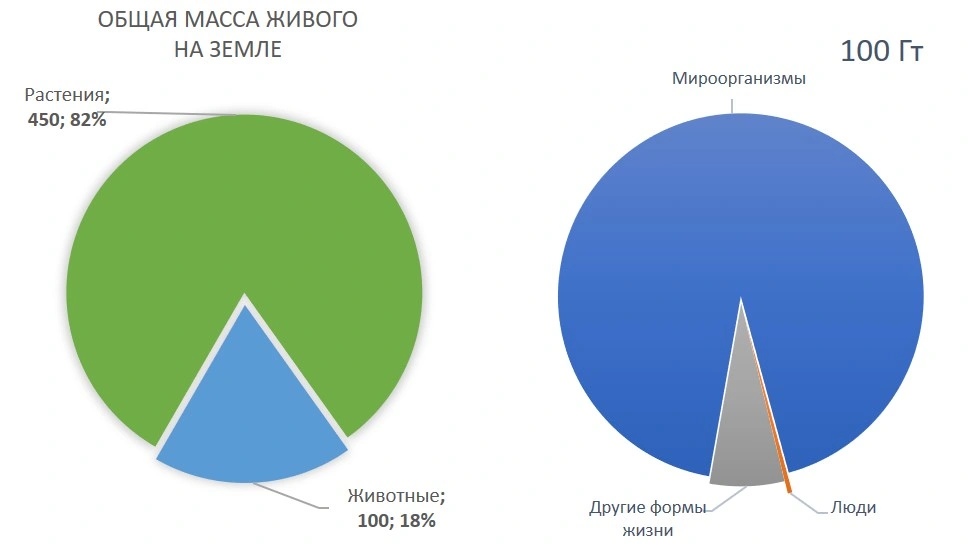
Today there are 7 900 000 people living on Earth. Their total mass is less than 0.5% of the total mass of living beings on the planet.
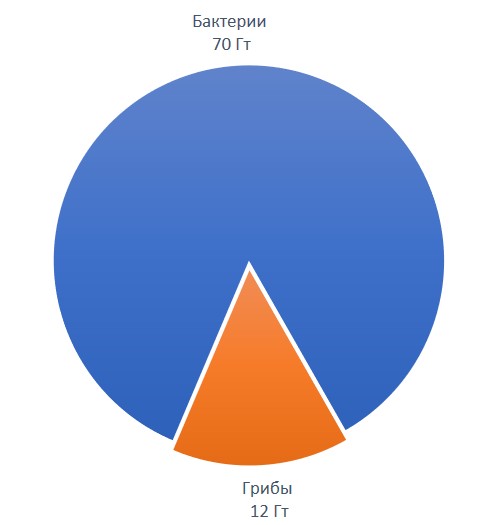
I am writing this with the sole purpose of showing how a person depends on the rest of the world and how, under his reign today, he must understand his place and maintain balance.
However, let's return to the field. Let's imagine that the Sapiens who 70 thousand years ago fed on gathering and hunting in the Black Sea region, i.e. on the territory of today's Ukraine, carefully removed some cereal steppe plant from the soil without disturbing its root system, then today's “advanced” agronomist, working in his field using no-till technology, would tell a lot to that Sapiens, his long-ago ancestor. He would explain why the roots are not visible. Why didn’t the soil crumble, but seemed to be held on by the rhizome? I would talk about the structure of this soil, show the hyphae (visible threads) of mycorrhizal fungi that extend beyond the volume of the root system. I would show earthworms, of which there were about 200 individuals per square meter.
It was living soil; 70-80 different plants grew on one square meter in the steppe zone. Each plant, through its root system, releases substances into the soil that feed the soil biota. Interested in the exchange of food, it “takes care” of the health of the plant and supplies the “food products” necessary for the plant to the root system. Through secretions, the plant signals to the bacteria what it lacks, and the biota delivers this deficiency.
It has been like this for millions of years. Living, healthy soil, healthy plant, healthy grain, healthy food.
The beginning of trouble
About 11 thousand years ago, Sapiens approached the beginning of the agricultural revolution. This is what historians call the beginning of agriculture. It started in the fertile crescent area. Today these are parts of the territories of countries such as Türkiye, Persia, and Libya. It is symbolic that agriculture began with crops such as barley and wheat. Initially, rye was a weed, but as the size of rye achenes (those that could not be selected when cleaning wheat seeds) increased, rye established itself as an independent crop. It is interesting that Nature, in order to preserve the plant population in the process of evolution, left only those cereal plants that shed well and germinate the next season, but not all. Some remained on the field and sprouted the next season, or even after a season in general. This is like a safety net to preserve the population.
Sapiens first collected those spikelets that, due to mutation, had not fallen off and, thereby, secured just such a mutation (primitive selection). With germination, the same selection was achieved. Those seeds that sprouted in the first season were sown. That's how they were selected. Those. Primitive selection fixed the mutation for ear shedding and germination in the first season. The advantage of grain in contrast to other wild forms of human food - berries, fruits, etc. is that it can persist for a year or more.
The next point seems very important to me. The entire civilization on Earth turned out to be a consequence only of the fact that once upon a time our ancestor Sapiens (let's call him Farmer) learned to grow enough grain to survive until the next season. It was from the moment when he learned to grow more, and there was a surplus of grain, that the opportunity arose to exchange it for something necessary for working in the field. This is how artisans made their living from their craft, then guards, warriors, etc. to today's parliaments and presidents. Thus began civilization.
We need to understand who creates the basis of a person’s life. The sedentary lifestyle has changed a lot in the way of life of Sapiens. Women began to give birth after 2 years. Tribes became numerous, infrastructure appeared in the direction of a future civilization. If at the time of the beginning of agriculture there were 5...7 million people on earth, then by the beginning of our era. there were already about 250 million people and only one million of them continued to feed themselves by gathering and hunting (Australia and certain islands of Oceania). allowed animals to be domesticated.
The sequence of these changes in the life of Sapiens was as follows. In the Fertile Crescent region, cereal grains and legumes (peas, lentils) were cultivated. And the goat was domesticated. Two thousand years later, China picked up the baton of agriculture. In China, 9,000 years ago, rice and soybeans were cultivated, and pigs (wild boar) were domesticated. Only 4,000 years later (i.e. 3000 BC) agriculture began in Central America (Mexico, Andes). Corn (Mexico) and potatoes (Andes) were cultivated. Since Sapiens destroyed all wild large mammals in America, only the Lama survived - she was domesticated.
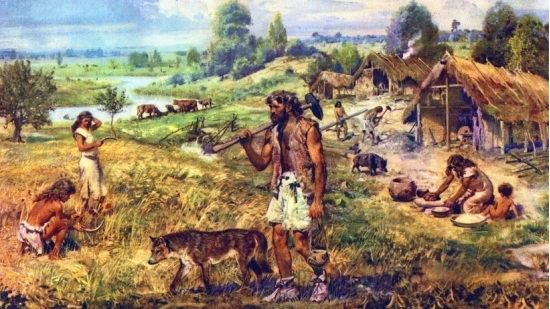
The agricultural revolution ended in West Africa 3 000 BC. where rice (African), millet, sorghum and wheat were cultivated! With all the self-importance of today's people, we must understand that today 90% of the food on our table comes from those plants that were cultivated thousands of years ago. The same is true in animal husbandry - over the past 2 500 years, it has not been possible to domesticate a single wild animal beyond those that were domesticated during the period of the agricultural revolution.
Industrial Revolution
Today, there are 7.9 billion people living on Earth. Humanity has no other way than to increase the efficiency of land (field) use. 95% of human food comes from the field. It is clear that livestock farming, poultry farming, and fish farming are also fields. Today the weight of all wild animals is about 1 million tons, and domestic animals are 7 million tons. Approximately one billion sheep, pigs, and cattle each. The largest number of birds on Earth are chickens, 25 billion. To produce the required amount of food and feed, the world produces about one billion tons of corn, 700 million tons of wheat, the same amount of rice, 400 million tons of soybeans, more than 100 million . tons of leguminous crops. But without the industrial revolution this could not have happened on Earth. But the industrial revolution would not have happened if farmers had not freed at least half of the people living on Earth, whose number at that time was about 0.5 billion, from working in the fields by the beginning of the scientific revolution (about 500 years ago).
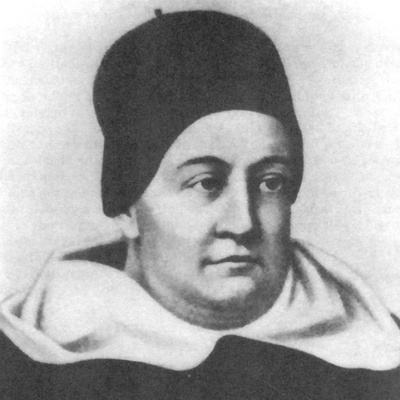
Thomas Aquinas
A few words about religion. Buddhism is 2500 years old, Christianity is 2000 years old, Islam is 1500 years old. Religion has played a huge role in uniting people. Today there are about 2 billion Christians. There are about 1.5 billion who practice Islam. Religion restrained people's knowledge
material world. To those questions to which a person did not have an answer, religion answered simply - “that’s what God wants.” But about 500 years ago this contradiction was partly removed by the slogan of Thomas Aquinas (apparently approved by the Vatican) “Harmony of religion and reason.”
Historians call this time the beginning of the scientific revolution, which predetermined the beginning of the industrial revolution. In my opinion, the word “revolution” is not very suitable for combination with the words “scientific” and “industrial”.
In its literal sense, a revolution is a leap, breaking the old and establishing a new one under the pressure of circumstances requiring change. And as we see, the role and importance of science is only growing, and the same applies to technology in the implementation of scientific achievements. And these processes are accelerating.
Be that as it may, in the first half of the 19th century, the horse, which had served man faithfully for 2,500 years both in war and in peaceful life, was replaced by a machine. The scientific revolution began with European countries. And this is no coincidence. There was no religious dogmatism in Europe. Europe by that time was already distinguished by freedom of thought. The English Parliament today is more than 300 years old. And it is no coincidence that immigrants from England in America adopted the Declaration of Independence of the United States in 1776, and for more than 200 years, US schoolchildren have been memorizing it. Such words from it have become a symbol of American life: “All men are created equal, and the Creator (ed., no matter specifically God or Nature) has endowed them with the inalienable right to life, liberty and the pursuit of happiness.”

-width550.webp)
It is no coincidence that the first steam engine was invented in England. In 1825, an English engineer made the first steam engine, attached it to a coal cart, and the steam engine cart, filled with coal, traveled 20 km - the distance from the mine to the nearest port. In 1830, on September 15, the first railway track from Liverpool to Manchester was launched. The world began to change.
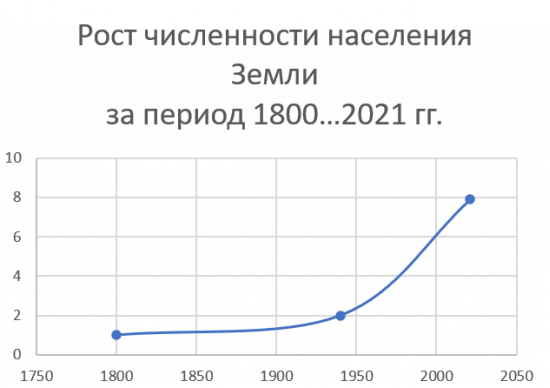
About the same time, the American blacksmith John Deere polished a moldboard plow to a mirror shine, and when plowing, a layer of earth began to fall off, which accelerated its widespread use. Intensive plowing made it possible to significantly expand the cultivated areas. The world's population began to grow. The number of people at the beginning of the nineteenth century was one billion, and by the middle of the twentieth century it was already two billion.
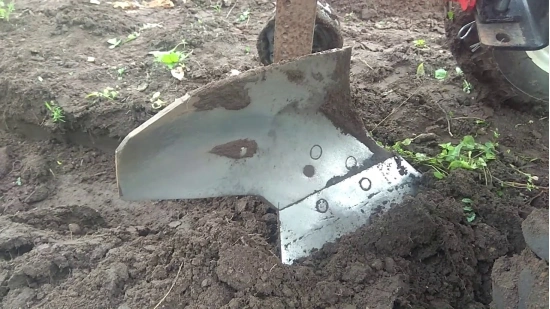

But not only the plow made it possible to expand the acreage and successfully control weeds. In the thirties of the last century, agricultural technology included chemicals to control weeds, to protect plants from diseases and pests, as well as various growth stimulants and desiccators. Chemical concerns developing poisons for military purposes proposed their use in agriculture after the First World War. In addition, breeders also contributed to increasing yields. If in the 50s of the last century 2 t/ha of wheat was considered a high result, then today 10 t/ha does not surprise anyone. And since there are as many (and exactly as many) people living on Earth (our planet) as can feed themselves, over the past 80 years the population has increased 4(!) times.
Such a jump in population growth is due, first of all, to the possibility of producing food and feed, and therefore raw materials - grain, in the broad sense of the word.
An important point must also be noted. The efficiency of agricultural technologies has made it possible to significantly reduce the number of people directly involved in grain production. For example, in the USA, today, only 2% of the total population is employed in agriculture. As has already been said, the entire civilization could take place only on the condition that, starting with our distant ancestor, let’s call him the primitive farmer, there remained a surplus of grain. Those. was able to grow more than he ate. Part of the people free from the need to work on the land ensured progress in science, industry, and art.
BUT!
Everything would be fine if not for one “but”. Big "BUT". Intensive agricultural technology, primarily moldboard plowing and the use of chemicals, has significantly reduced the natural fertility of the soil. In fact, this is the payment for today's progress and comfortable life. The current generation (we will include those who began their working career in the 21st century) has a historical mission - to stop the destruction of natural soil fertility by introducing land cultivation technology (more precisely, sowing) without any processing and replacing “cides” with organic preparations and inoculants. There are all grounds for fulfilling this mission today.
Firstly, soil scientists, using modern methods, have quite fully elucidated the biochemical mechanisms of the symbiotic interaction between soil biota and plant root systems. It has been convincingly shown that, for example, chemical nitrogen, used everywhere as a growth stimulant, actually helps to increase plant biomass, but of the applied nitrogen, no more than 30% goes as intended, and the rest of the nitrogen remains in the soil and is washed away by wastewater, polluting the environment with nitrates .
Secondly, unlike nitrogen produced by bacteria, chemical nitrogen does not produce high biochemical parameters of grain. Hence the lack of nutrients in both feed and human food products.

Thirdly, chemical nitrogen makes it impossible for nitrogen-fixing bacteria to “work” in symbiosis with the root system as it happens in living soil. Other chemicals have similar effects. Today, the resolution of instruments for studying the microcosm of soil biota has made it possible to visualize not only the process of the dynamics of interaction of bacteria with the root system of a plant, but also the process of absorption of bacteria found on their surface by young roots. The process is called "rhizophagy". Those. To the well-known division of living organisms into predators, herbivores and carnivores, bacterivores were also added. But this process, as applied to root systems, has an important feature. The bacterium, entering the mass of the young root, undergoes destruction of the protective shell. The contents of the bacterium become food for the root, and the genome of the bacterium exits through a thin hair into the volume of the root system, and the bacterium is restored. It is these processes of symbiosis of the root system with soil biota that today's intensive agricultural technology destroys.
Hymn to the Earthworm
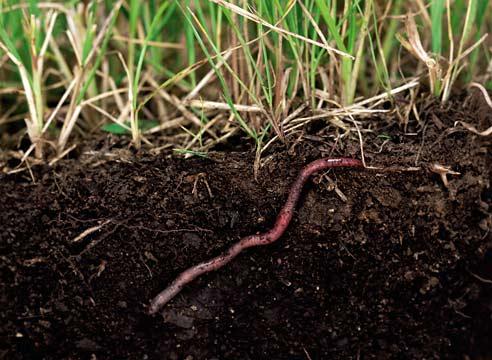
The earthworm plays an even larger role in the life of the soil, and therefore our lives. If we know about life on our planet from the fact that after an asteroid hit the Earth in the Gulf of Mexico 66 million years ago, the Earth was closed from the sun's rays for several years, which led to the destruction of vegetation and the extinction of dinosaurs, then the earthworm survived , and soil scientists are convinced that it appeared on Earth about 500 million years ago. This is absolutely logical. If the beginning of the era of dinosaurs is about 200 million years old, and this could not have happened without lush vegetation, in turn, vegetation on Earth could not have existed without soil biota and earthworms.
The importance of the earthworm is generally recognized today. In 2019, scientists created a global map of the earthworm. The only place he wasn't found was in Antarctica. It is no coincidence that he is called the “underground plowman.” Its passages penetrate the soil to a depth of one meter or more, and persist for several years if they are not disturbed during cultivation. The walls of the passages are populated by aerobic microbes. The earthworm drags plant debris into the burrow, thereby performing the function of “sealing plant debris.” An earthworm processes material in an amount equal to its own weight per day. Living soil, dug by earthworms, absorbs water several times better.
Small earthworms reach a length of only 1-2 cm, medium ones - 10-20 cm, while for the giant worm Megacolices australis (Australia) a length of up to 3 cm has been recorded meters with a diameter of 2.5 cm. The root systems of plants in living soil are located in the layer that is the natural habitat of earthworms (drillosphere). Scientists have proven that the soil adjacent to the hole left by the wormis populated by microorganisms to a layer thickness of about 2 mm. And the inner surface of the passages in living soil (at the entire feeding depth of earthworms) can be 5 m² per 1 m² soil surface.
Earthwormscan feed on any food containing organic matter. They can eat fallen leaves, dead herbaceous plants, rotted manure and the soil itself. By digesting dead plant organic matter, they convert it into small soil lumps. These earthworm excrements are called coprolites (from the ancient Greek “κοπροζ” (droppings) and “λίθοζ” (stone)).
Coprolites of natural worm populations contain 11–15% humus per dry matter. Due to the mucus that envelops them, they are durable, and water does not wash them away, but only wets them and seeps further into the soil. Coprolites contain increased amounts of nitrogen, phosphorus and potassium. Specifically, the proportion of nitrogen increases three times, phosphorus by 7 times, potassium by 4 times. This is where the replacement of “chemistry” comes in.
Worms transfer these elements necessary for plants from an inaccessible form to an accessible one. During the digestion of plant residues, humic substances are formed in the digestive tract of worms. They differ in chemical composition from humus formed in the soil with the participation of microflora in that in the digestive canal of worms the processes of polymerization of low-molecular-weight decay products of organic substances develop and molecules of humic acids are formed. These acids enter into complex compounds with the mineral components of the soil, forming stable aggregates that remain in the soil for a long time. This is how worms create loose, fertile soil saturated with air, moisture and nutrients available to plants.
There are no more powerful humus formers in nature. It is not yet possible to create humus and restore soil fertility in other ways.
Over the past two decades, their main merit has been proven not only in the formation of fertile soil, but also in its neutralization from pathogenic flora and many toxic substances, including radionuclides and heavy metals . Having passed through the intestines of any worm, all this pathogenic flora (bacteria, algae, fungi with their spores, protozoa of the animal world, including nematodes) is destroyed, and radionuclides and Heavy metals are converted into insoluble compounds that are inaccessible to plants and they, already safe, remain in the soil for eternal storage. The intestinal microflora of the earthworm produces fungicidal and bactericidal substances. At the same time, the organic mass processed by worms loses its odor, takes on the form of granules and a pleasant smell of earth. These are real deodorizers and sanitary workers, soil improvers. No one and nothing can compare with earthworms in this noble activity. The more earthworms in the soil, the healthier, more functional it is, the more humus it contains - the most valuable and most necessary fertilizer for it.
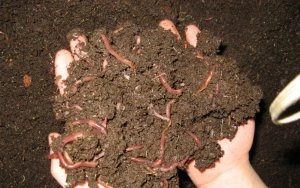
One hectare of soil not ruined by chemicals and plowing can contain up to 200 million individuals of earthworms, and the weight of biomass ranges from 2 to 10 tons per hectare. And some farmers who have not plowed for more than 10 years have more than 200 worms per 1 m². If earthworms are weighed, then on a hectare of well-groomed pasture the scales will tip in their direction, even if on the opposite side there is a whole herd of cows grazing in the meadow. If we take into account that a worm passes through its body per day an amount of soil equal to its weight, then with an average weight of a worm< /strong> half a gram and their quantity is 100 pcs./m² (i.e. 1 million per hectare), it turns out that per day they pass through themselves 50 g of earth per square meter. Taking into account the fact that the activity of the worm in the middle zone is 200 days a year, then during the season this figure increases to 10 kg/m² or 100 t/ha - no comments needed! !! And this is with a minimum number of them...
As a matter of fact, only thanks to the multimillion-year activity of thousands of different species of worms did soil appear on our mother Earth, neutralized from eruption products volcanoes, fires, natural radioactivity. earthworms do this kind of work on land all over the globe, and no one can replace them in this role.
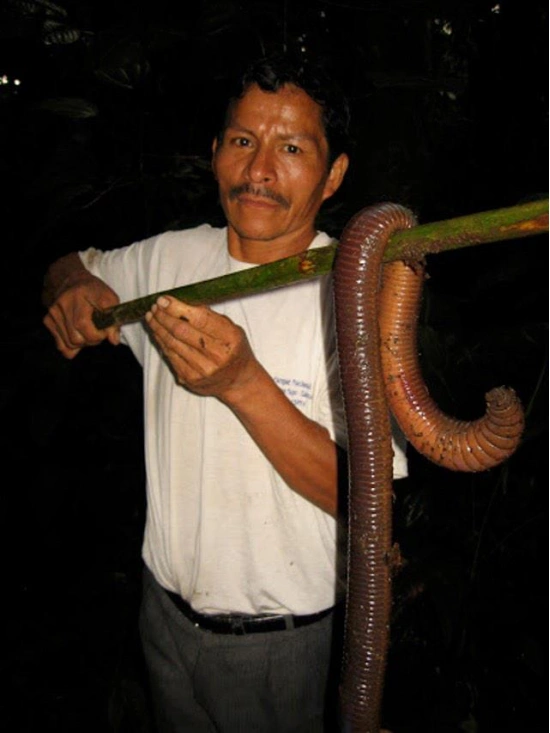
In 1985, near Bass (Australia), John Matthews created the Gippsland Giant Earthworm Museum ( that's what they call it in Australia). This worm can reach 3-4 m in length! It is the largest invertebrate in the world. A museum to match a worm: a huge 100-meter building in the shape of an earthworm. In this Museum you can travel through the worm's passages and inside the worm itself. Not only to literally come face to face with the largest known animal living in the mysterious underground world, but also to get to know it from the inside.
Charles Darwin established that “earthworms pass through the entire arable layer of the earth in a few years (passed in Darwin’s time ). They enrich depleted lands with fresh humus, loosen them, and at the same time fertilize them with their secretions. Burrowing in the ground and swallowing it, they create a strong lumpy “soil-air” structure, and moisture penetrates deeper into the soil better. Countless worm holes, like a capillary network of living tissue, provide ideal drainage and ventilation of the soil.”
His work, “The Formation of the Vegetative Layer by the Activity of Earthworms,” is one of the most interesting and significant in natural history.
Channeling by worms increases soil aeration, soil water infiltration, nitrogen availability to plants, and soil microbial activity. It has been established that by drilling the soil with worms the number of nitrifying bacteria increases. The increased amount of nitrogen found in the drilosphere may be one of the reasons for the growth of roots in the channels made by worms. earthwormpaths can remain unchanged for decades, which helps to increase the density of plant roots, stabilize soil aggregates and reduce the likelihood of soil erosion. Moving tail first, it reaches the surface or cavity in the soil, where it deposits soil in the form of coprolites. Then he returns, swallows the next portion and everything repeats. Not all types of worms can colonize dense soil. Many always remain in the loose layer and do not tolerate its artificial compaction well. This must always be remembered when organizing the movement of machines across the field. The passages of worms play a huge role in the life of plants, because they supply oxygen to the living soil.
For optimal root growth, the soil needs to contain 10-15% air. If the soil is compacted, the consequence will be a decrease in yield. In compacted layers after precipitation, as a rule, moisture accumulates, which leads to oxygen deficiency in the root zone. Oxygen is a necessary energy supplier for the absorption and transport of nutrients. If there is a lack of oxygen, problems arise with the absorption of potassium, calcium, magnesium, phosphorus and iron, and the transport of these ions into the plant becomes much more difficult.
An important role in this is played by the activity of earthworms, whose activity is manifested in the supply of a sufficient amount of organic biomass. During their life activity, worms make passages through which the roots of cultivated plants can then grow. In this way, the deep growth of the root system and its branching are supported.
However, enemy No. 1 for worms is an unreasonable person and his ignorance in soil science.
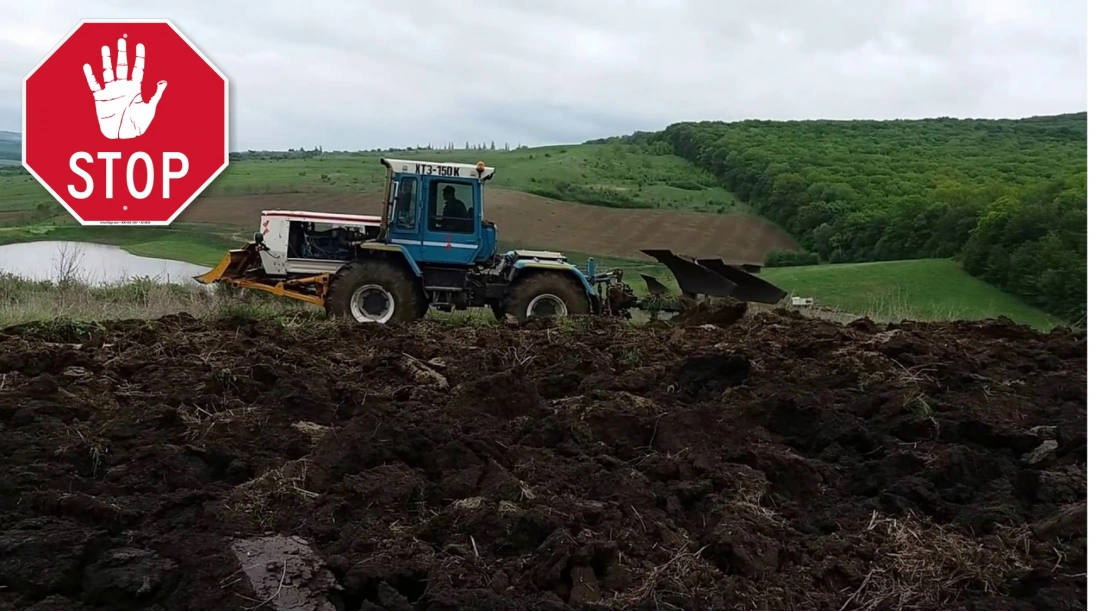
The first blow is applied by repeated deep, up to 35 cm, plowing and digging of the soil, turning the layer over and destroying all living things. But the conditions of arable land are especially difficult for worms. In hot weather, unshaded, plowed soil easily heats up and dries out, and worms die. The worm does not have a special organ for gas exchange (lungs, gills, etc.), so it breathes through the skin. To do this, it must be very thin and constantly moisturized. The lack of a protective shell leads to the fact that the most common reason for their natural death is drying out.
In the spring, tractors turn up the soil with worms for the birds to eat. In late autumn, the burrows are opened, when the worms have already settled down for the winter.
But the man does not calm down, as if he was deliberately waging a war to destroy his assistant and friend.
On arable land, where people take all the harvest for themselves, where the soil structure is destroyed by heavy machines, and nutrients in the form of crop residues are briquetted and burned in the fireplaces of “successful” people worms are doomed to extinction.
And to top it all off, people treat crops with chemical fertilizers and pesticides. This leads to massive death ofearthwormsand other soil fauna, without which arable lands are dead. If nature intended for worms to loosen, fertilize and heal the soil, then returning them to the fields will save the farmer from many problems.
-550x364.webp)
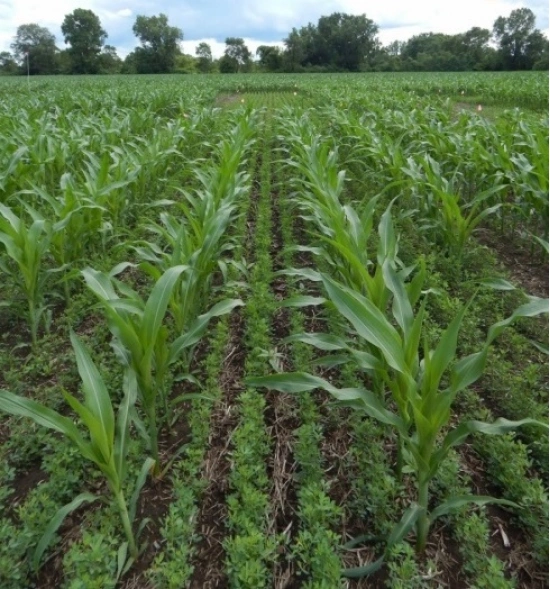
It is clear that no-till technology is the way to return the earthworm to the field, and “aerobatics” for the agronomist is transition toNo-tilltechnology. It is No-till for the earthworm that is the green light to return to the field, because under the mulch moisture is retained, which is so important for the skin of the “angels of the earth”, the soil is protected from overheating, weathering, freezing. The bottom, decomposing layer of mulch is a wonderful dining room for worms.
The experience of agronomists who switched to no-till ten or more years ago shows that the chemical load on the soil is significantly reduced. Saving plants with chemicals is the same as being treated with pills: it removes the symptoms, but does not eliminate the cause... Weakened plants grow in sick soil, susceptible to diseases and pests. It makes more sense to improve the soil, and worms will do this best of all, simultaneously enriching it with vermicompost. Well, if soil fertility does not decrease, but increases every year, then chemistry may be needed only in emergency cases.
Worms increase the absorption of potassium, phosphorus, and microelements by plants. For example, nitrogen released by worms is absorbed by plants by more than 95%, while nitrogen from fertilizers is only absorbed by 30-40%.
Ukraine has a huge reserve of fertile soil. 60% of all lands are chernozems, this share of the world's areas is 6.7%. A hundred years ago, the black soils of Ukraine contained 4-6% humus, today - 3.2%. Educationhumusis a long process. An increase in its content in the soil by 1% occurs in 300-400 years. It turns out that in a hundred years we have lost some of the humus in the soil that has been accumulating for over 1000 years.
Stopping the decline in soil fertility and, in the long term, its restoration lies through the return of the earthworm to the soil, which means - abandonment of the plow and a difficult but necessary path to direct sowing technology and replacement of chemicals with organic and inoculant products.
Two words for the plowman
The last thing I would like to do is teach a plowman - a man in the best sense of the word, whose work directly supports the lives of other people (including mine), how he should cultivate the land, but I am convinced that in the fate of each field there will be a date (and some already have one) - the date of the beginning of a new life - life without plowing, the beginning of the restoration of its pre-arable fertility. If the beginning of this revival is due to you, then you will go down in history. The life of a field is hundreds, or rather thousands, of times longer than the life of the people cultivating it, and it had a long life before you, when it was cut with plows for hundreds of years, but it was you who said “STOP!”, and were the first to look at it as if it were alive , but wounded and yet feeding people, and it was you, in relation to this field, who stopped its path to final exhaustion and began the path to its revival. At the same time, they took the risk of losing part of the profit at the transition stage due to a shortfall in harvest. The field will return these losses, not immediately, but it will return with a plus. Your name will go down in the history of the field, and it will remember you, even in the distant future from us living today.
The fertility of the field, which began its revival with you, will be indebted to you for a long, very long time, delighting future agronomists with high yields, which, of course, will maintain the health of the field revived by you. Perhaps for the first time, the words “eternal memory” receive real meaning.
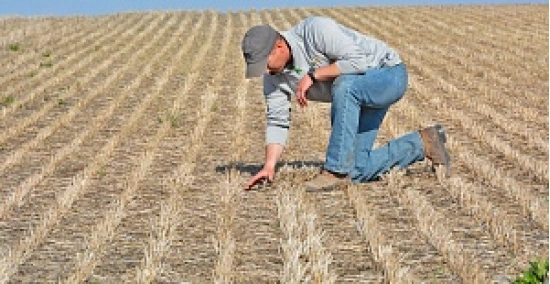
An agronomist's decision to switch from arable technology to No—tillis the most significant act in your professional biography. This decision is not “by the way”, it is possible only after a deep understanding of the subject itself, familiarization with a large amount of special information, visiting and biased questioning of agronomists who have already accepted the new agronomic “religion”, this is a painful refusal existing worldview and accepting a new one, this is overcoming doubts and the willingness to take the blow in case of failures, this is the decision of a strong person. And if such a decision is made, then the further algorithm of action is known - according to it already passed by those who previously believed in the historical necessity of this path.
To the question: “Is it possible to build communism in a single country?” my answer: “Communism is impossible due to human nature.” But to the question: “Is it possible to stop the depletion of the field and begin to revive lost fertility?” answer: “Yes, you can.” And not only is it possible, but this is the only way to support the livelihoods of people on earth in the numbers that exist today and, even more so, taking into account the growth of their numbers.
Then we can confidently say that Nature was not mistaken in endowing Sapiensa with the ability to self-improvement.