Sesame – «Golden Culture»
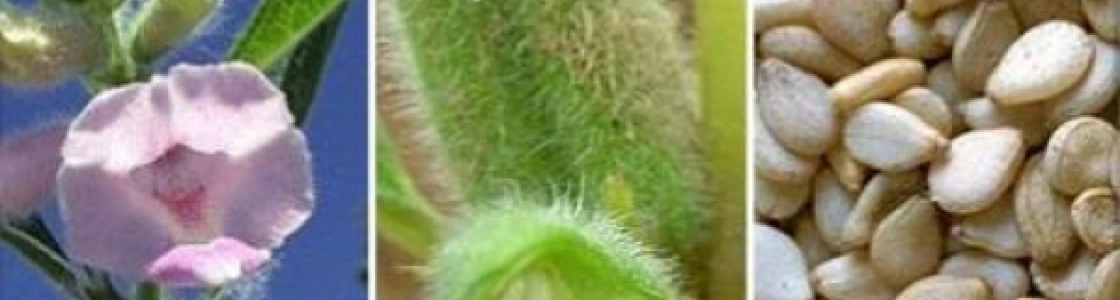
Sesame.
Sesame or sesame is a well-known product widely used in cooking and medicine. It gives dishes an unusual, pleasant taste, and also has a lot of beneficial properties and vitamins. This is a herbaceous plant that grows in India, Africa and Central Asia. Promising areas for growing sesame in Ukraine are Odessa, Nikolaev, Kherson, Zaporozhye and Dnepropetrovsk regions.
The benefits of sesame
Most of the composition of sesame seeds is vegetable fats and proteins. These components are necessary for our body and are building and energy materials for it.
Sesame contains sesamin, which is an antioxidant that helps prevent premature skin aging. Sesamin also affects cholesterol levels in the body and prevents cancer.
Sesame seeds contain a lot of vitamins, such as vitamins A, groups B, C, E, as well as important microelements - zinc, iron, magnesium, phosphorus, calcium, potassium. Due to the high calcium content, the condition of the nails improves, bones and joints are strengthened. Sesame seeds perfectly strengthen the immune system, speed up metabolism, and have a beneficial effect on digestion and metabolic processes in the body.
Sesame oil improves the condition of the epidermis and is a good adjuvant for the treatment of dermatological diseases. Sesame oil is also used to make oil, which is used in preparing salads and is used in cosmetology.
Growing sesame in Ukraine
The confectionery and baking industries of Ukraine have been using sesame for many years. However, it has never occurred to anyone that these seeds are almost entirely imported and not domestically produced. At the same time, climate change has led to the fact that growing Indian sesame in Ukraine, especially in the south, is not a problem. An analysis of meteorological indicators in Ukraine over the past decade indicates a trend towards an increase in average air temperatures and a decrease in atmospheric precipitation. Under these conditions, the ripening of sesame in the south of Ukraine is no longer in doubt.
“Sesame culture is the most labor-intensive and demanding of growing conditions, but it is a “golden crop.” It provides the greatest profit per unit area, which producers will not refuse, having received it at least once,” experts note, because from one hectare of land you can get up to 1.5 tons of seeds, and the average price of a kilogram of sesame imported from India is is about 70 UAH.
The cultivation of sesame in Ukraine (namely the mid-late variety Gusar) is now being carried out by the Askanian experimental station of the Institute of Research Agriculture of the National Academy of Sciences of Ukraine. Specialists from the Askani Institute contacted us to solve the problems of preparing commercial and seed sesame. We proposed the option of the institute’s specialists coming to our production site at Fadeev Agro Plant LLC in the city of Kharkov along with sesame seeds to solve the problems they face. With the help of our equipment, working using gentle fractional preparation technology for “Strong Seeds”, which at our enterprise includes: elevator NF-10, OKMF (Fadeev cleaning-calibrating machine) Compact 1-3 and PVSF - 3 (pneumatic vibrating table Fadeev), we cleaned, calibrated and separated “heavy” sesame seeds by specific gravity.
Preparation of “Strong Seeds” of sesame at Fadeev Agro Plant LLC
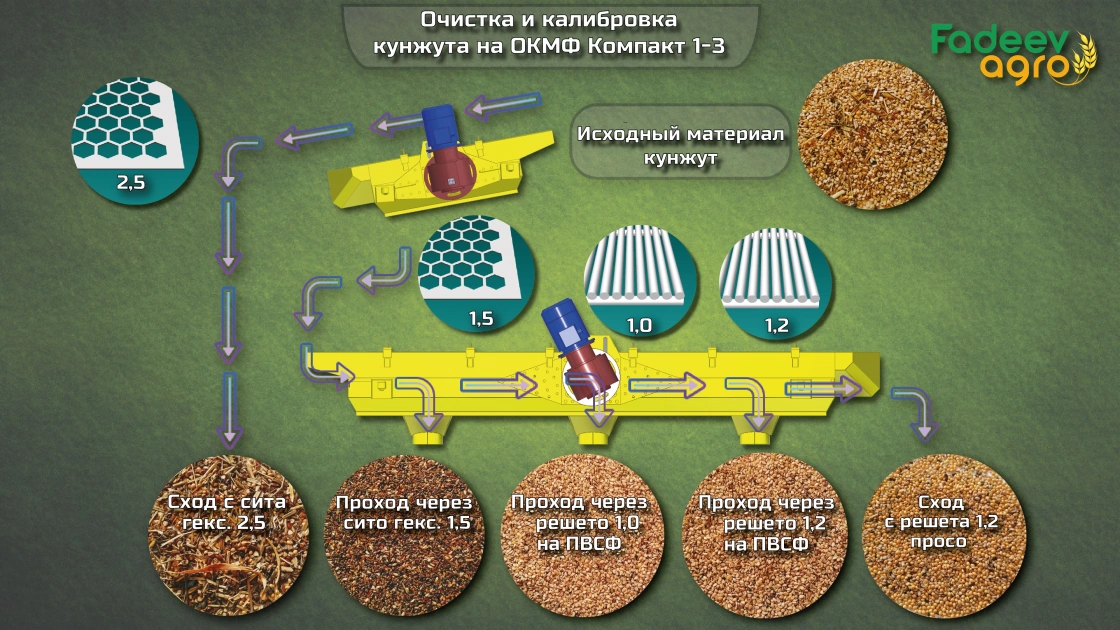
Fig. 1
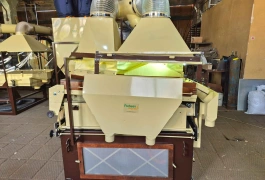
The source material fig 3., which was brought to us, we first sent for processing to Fadeev cleaning and calibrating machine (OKMF) Compact 1-3. Figure 1.

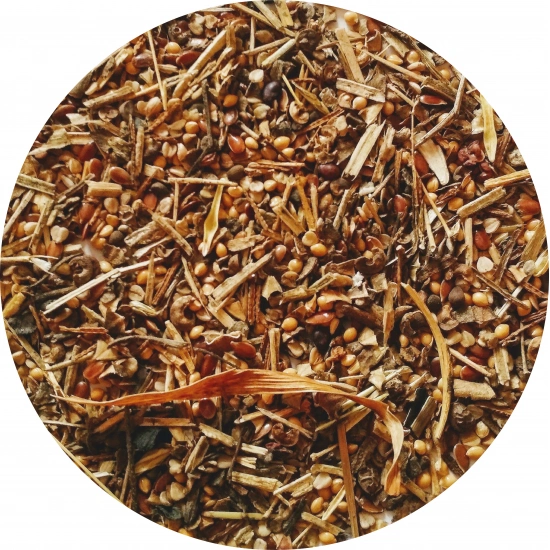
On the upper module of the Compact with 2.5 mm Fadeev sieves, the sesame was cleared of large debris from the Fig. 4.
The lower module was cleaned one by one from small debris using a 1.5 mm Fadeev sieve Fig. 5.
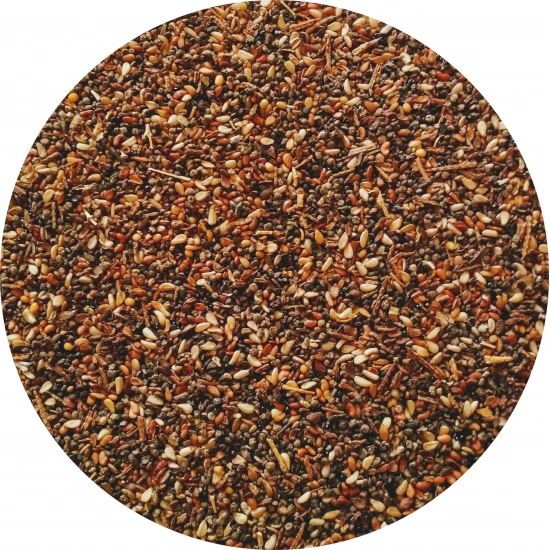
Next comes calibration on Fadeev sieves 1.0 mm Fig. 6 and 1.2 mm fig. 7
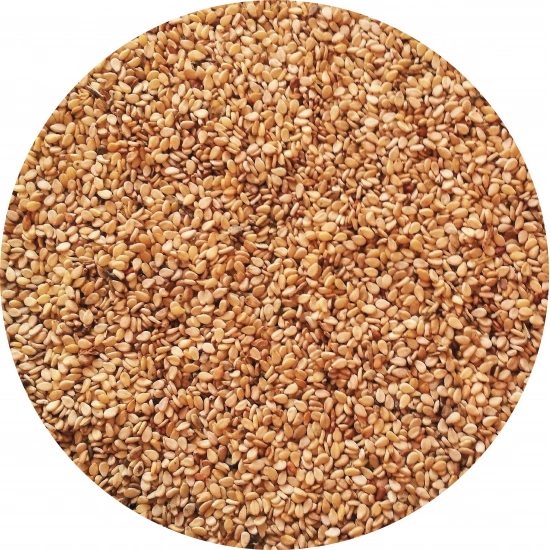
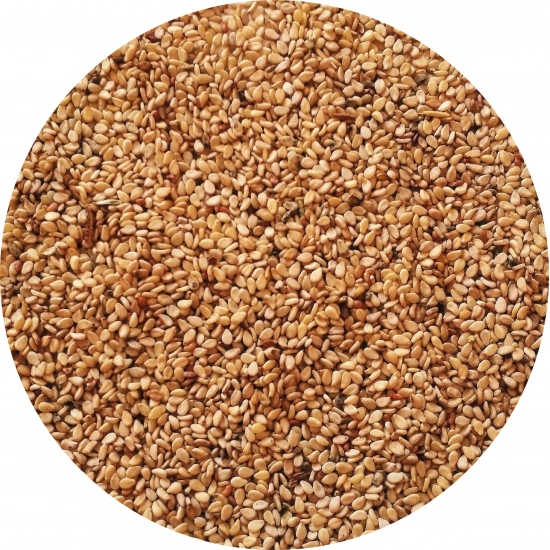
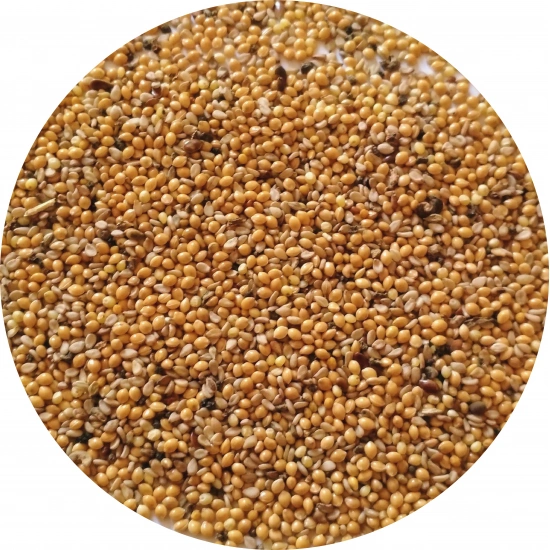
During the calibration process, millet and other large impurities. Fig. 8.
Next, the material was aimed at sorting seeds by specific gravity at Fadeev's pneumatic vibration table Fig. 9
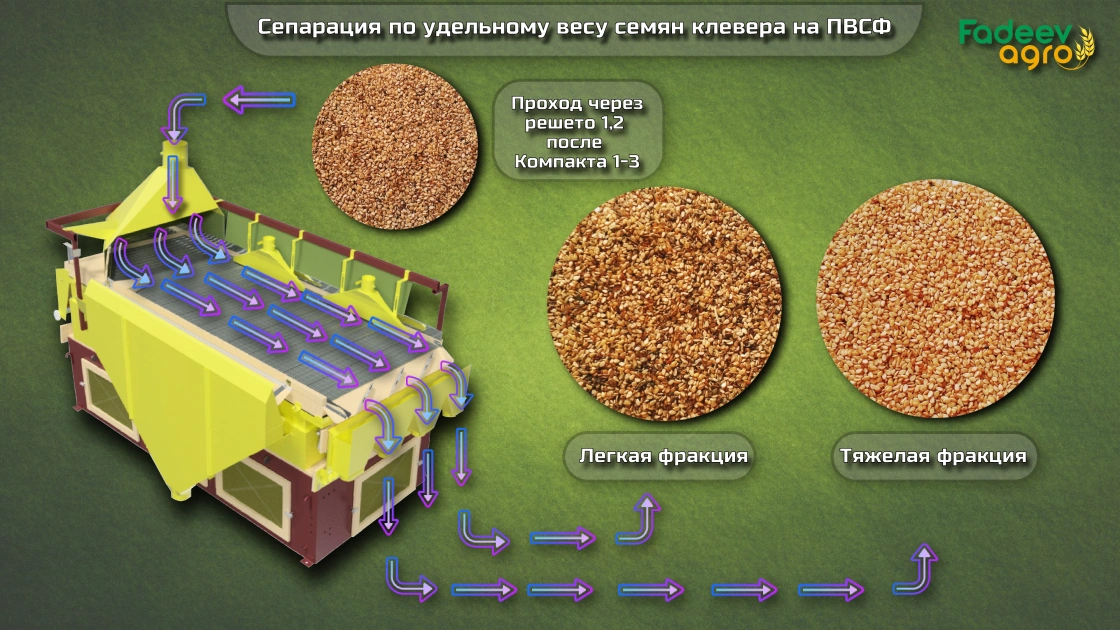
Fig. 9
To highlight "Strong Seeds" we chose fraction passage 1.2.
On the pneumovibration table, fraction 1.2 was divided by specific gravity into light seeds, Fig. 10, and heavy seeds, Fig. 11.
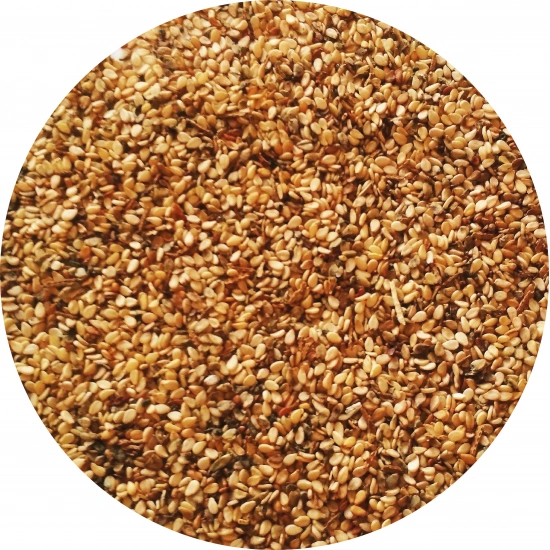
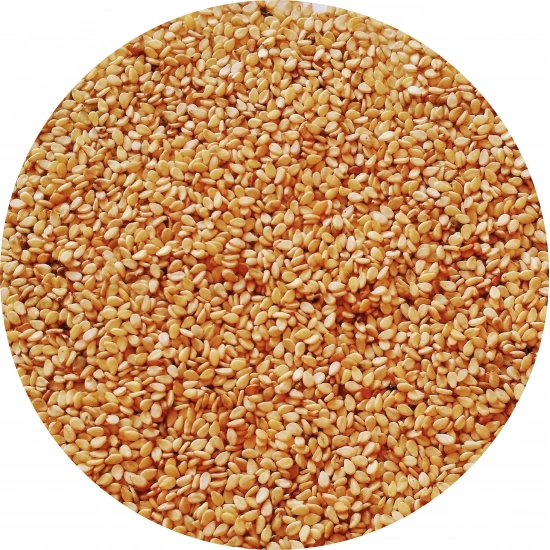
Heavy fraction (STRONG SEEDS) is recommended for sowing, light fraction - for “commodity”. Then, the pass 1.0 fraction and the light fraction were also separated into PVSF, like commercial seeds for oil, etc.
Our technology for preparing “Strong Seeds" sesame completely solved all the tasks of the Askani experimental station for the preparation of both seed and marketable material. The management of the organization plans to purchase our equipment in the near future.