Millet Is A Niche Culture
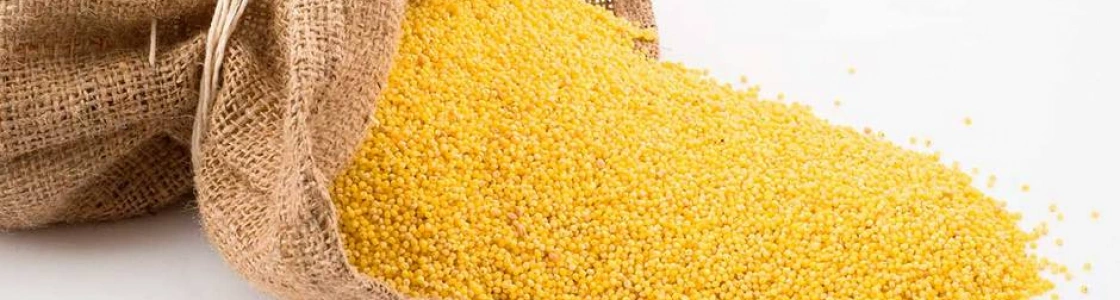
You can talk a lot about the benefits of millet porridge, but the volume of production of a particular crop is determined by the market. It was the market that predetermined the decrease in agricultural area for millet production in Ukraine from 377 thousand hectares in 2004 to 54 thousand hectares in 2017. The forecast for an increase in the production of millet in Ukraine (if it occurs) can be explained by the fact that in conditions of climate change, millet as a drought-resistant and heat-resistant crop will be used primarily as an insurance crop.
Currently, the world produces about 30 million tons of millet. Forty percent of global production comes from India. 20 c/ha is considered a good harvest, while at the same time the record harvest of millet in Ukraine was 61 c/ha in 1966 in the Ternopil region (Kozovsky district) [1].
Millet is a wonderful insurance crop. Arguments: low seeding rate, short growing season, drought-resistant, heat-resistant, late sowing possible (temperature in the seedbed 10-12°C).
The latest achievements of Ukrainian breeders have significantly increased the potential of millet to 5-6 t/ha, increased drought resistance, and resistance to damage flying smut, increase seed size [2].
It is necessary to list the difficulties in millet production. Slow initial growth requires weed control. millet has one central root, which provides the first phase of plant development, and after 10-15 days the secondary roots find themselves in the upper layer of soil in a moisture deficit. Non-simultaneous ripening of grain both in one panicle and in shoots relative to the central stem [2].
Millet is an annual herbaceous plant of the grass family. Height is from 0.5 to 1.5 m. The stems come from the root and form a bush. The root is fibrous, penetrates to a depth of 1.5 m or more, and to the sides by 1-2 m. The stem is cylindrical, hollow, and has up to 10 nodes. The inflorescence is a panicle 10-60 cm long. The fruit is an oval, round or elongated membranous grain with a diameter of 1-2 mm, white, yellow, red, brown or other colors.
The linear dimensions of millet grains vary: length - 2-3.1 mm; width – 1.5-2.5 mm; thickness – 1.2-2.1 mm. That is why we used a 1.2 mm Fadeev sieve to remove small debris when cleaning millet seeds. Weight 1000 pcs. millet seeds range from 3 to 11 g.
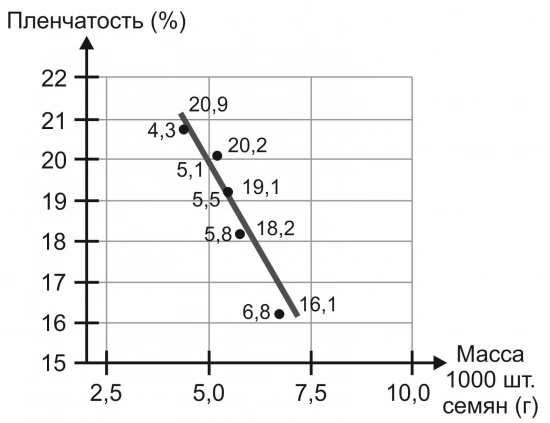
Fig.1. The relationship between the grain size of millet and its filminess.
Seed size standard. Seeds are classified as large if at least 80% remains on a slit sieve measuring 1.6x20; medium seeds are classified as if the remaining on the sieve is from 40% to 80%; to small – if the balance is less than 40% (inclusive). The size of millet is of fundamental importance - the larger the grain, the greater the yield of cereal. Therefore, millet is also classified according to its filminess. When the proportion of floral films from the mass of the grain is 10-15%, the grain is low-membranous, when 15-20% is medium-membranous, and over 20% is high-membranous. There is the following relationship between the grain size and its filminess (Fig. 1).
The filminess of millet creates a dilemma. When filminess is below 14-16%, it easily collapses during harvesting and post-harvest processing. But it gives a high percentage of cereal yield (up to 85%). High filminess makes hulling difficult and reduces the yield of cereals [1]. Optimal filminess is 16-17%. Agricultural technology affects filminess. So, with the predecessor, peas weighed 1000 pcs. seeds of millet and its filminess gives optimal values [1].
Millet is one of the most ancient cultivated plants in Eurasia. Millet began to be cultivated about 7,000 years ago in China and Transcaucasia. Millet was one of the most important crops among the Slavs. Its production exceeded that of cereals before climate change in the 10th-11th centuries. Only increased humidity produced an increase in grain production in subsequent centuries. In the Zaporozhye Sich, millet was used instead of bread in various preparations [1].
Millet is a valuable cereal crop. Grain (millet) is used to prepare soups, porridges and other culinary products, and is a valuable feed for poultry. Figures 2 and 3 show the amount of protein and fat in different cereals. Millet contains at least 12% protein and 3.5% fat. Grain, its processed products, as well as green mass, straw, chaff and hay are used for feed purposes. The green mass is superior in feed value to the green mass of corn, mogaroo, sorghum, and sudanese.
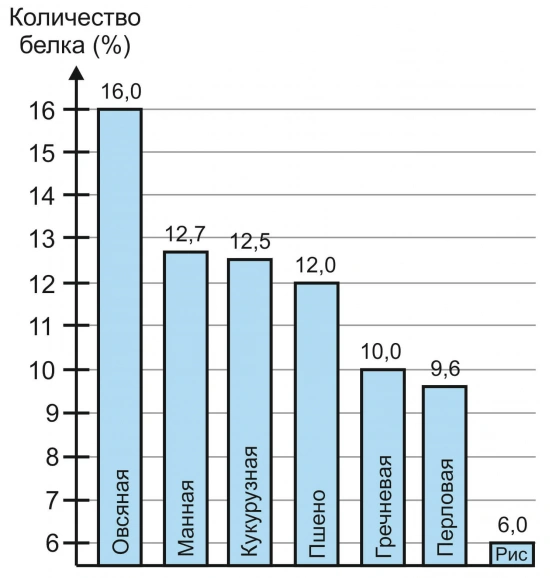
Fig.2. The amount of protein in different cereals [3].
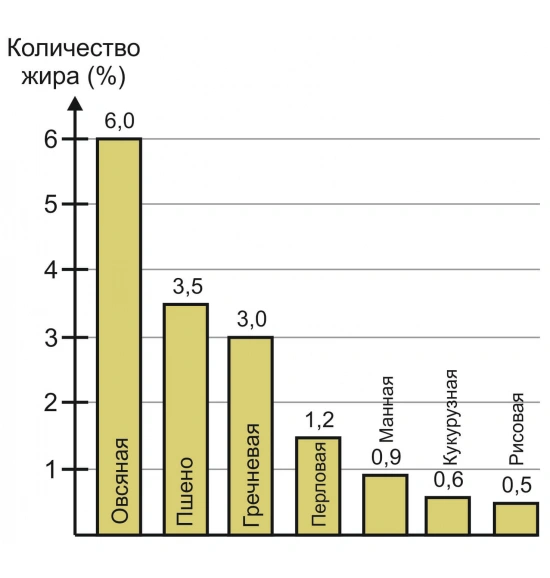
Fig.3. The amount of fat in different cereals [3].
In folk medicine it is used in the treatment of pancreatitis, diabetes, liver diseases, cystitis and hemorrhoids. Millet stimulates blood formation. Millet porridge is indicated for hypertension and diseases of the cardiovascular system.
Millet practically does not contain gluten, and is recommended for people who cannot tolerate the protein of certain cereals, i.e. suffering from celiac disease. In the USA, millet is sold in the “healthy food” section.
Grain composition: starch – 54-83%, protein – 10-14%, fat – 2-4%, fiber – 7-9%. But there are varieties that contain up to 5% fat and 18% protein, and especially high-protein varieties can contain up to 23.5% protein [1]. Carbohydrates digestible by the human body make up about 50% of those present in millet. Preference is given to yellow millet. The presence of fat causes millet to become rancid during long-term storage. Therefore, consumption of millet is undesirable after 5-6 months of storage. It is advisable to hulle millet the day before consuming the cereal. The grain contains carotene, vitamins B1 B2 and PP, copper, nickel, zinc, manganese.
The selection of millet is carried out depending on the purpose of use. There is a cereal industry where productivity and high technological properties (easy shedding) are important. There are varieties for the feed industry. For growing for green mass, varieties with a high content of digestible substances are used [5].
The growing season is from 60 to 120 days. The plant is heat-loving and resistant to drought, as well as soil salinity, but does not tolerate acidic soils. Straw and green mass are used as livestock feed. With a harvest of 3 t/ha and 6 t/ha of straw, millet removes 90 kg of nitrogen, 42 kg of phosphorus, 106 kg of potassium and 31 kg of calcium from the soil.
Millet is a demanding crop that requires high levels of soil fertility. Application of 20-30 kg/ha of active substance nitrogen, potassium and phosphorus fertilizers, depending on soil fertility, increases grain yield by 15-20% [6].
Millet is a heat-loving and heat-resistant crop. Its seeds germinate at temperatures not lower than 12-15°C at a depth of 10 cm. When frosts reach 3-5°C, the seedlings die. The best temperature for flowering ofmillet is 20-24°C. millet tolerates temperatures of 30-40°C better than other cereals [6]. The sum of active temperatures for early-ripening varieties is 1500°C, for mid-ripening varieties about 1600°C [7].
Moisture deficiency in the period 20 days before the panicles are thrown out and until the end of flowering leads to a significant reduction in yield. The optimal pH value is 5.5-7.5.
Millet is slow growing in the early stages, so weeds can significantly reduce yields if left unchecked. The germination process is further aggravated by the fact that millet at temperatures below 15°C stops growing and enters suspended animation, while the weeds continue to grow.
The best predecessors are grains, legumes, fertilized potatoes, sugar beets, perennial herbs, melons. Bad predecessors include millet, sorghum, sunflower, spring barley, Sudan grass [6].
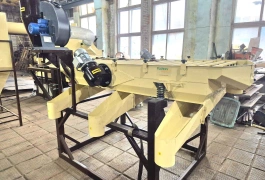
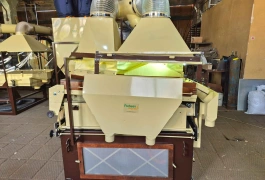
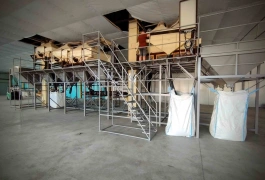
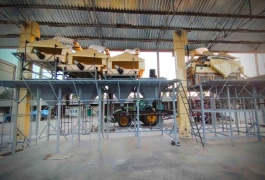
Fig. 4. General view of a seed plant for any agricultural crops.
When seed material was brought to us for the preparation of millet seeds, the customer asked to separate the collapsed achenes. Such separation is possible only by density - the collapsed achene is slightly heavier for the same size. Without changing the sequence in the gentle fractional technology for the production of strong seeds from the seed material, large debris, small debris were sequentially removed frommillet, the aspiration system selected easily twisted debris and, finally, the pneumatic vibration table easily selected the collapsed seeds of millet and weeds commensurate with the seeds of millet. Strong seeds came out from the middle of the pneumatic vibration table - uninjured, equal in size and density. The process diagram is shown in Figure 5

Fig.5. Scheme for cleaning millet seeds and separating them by density.

Source material
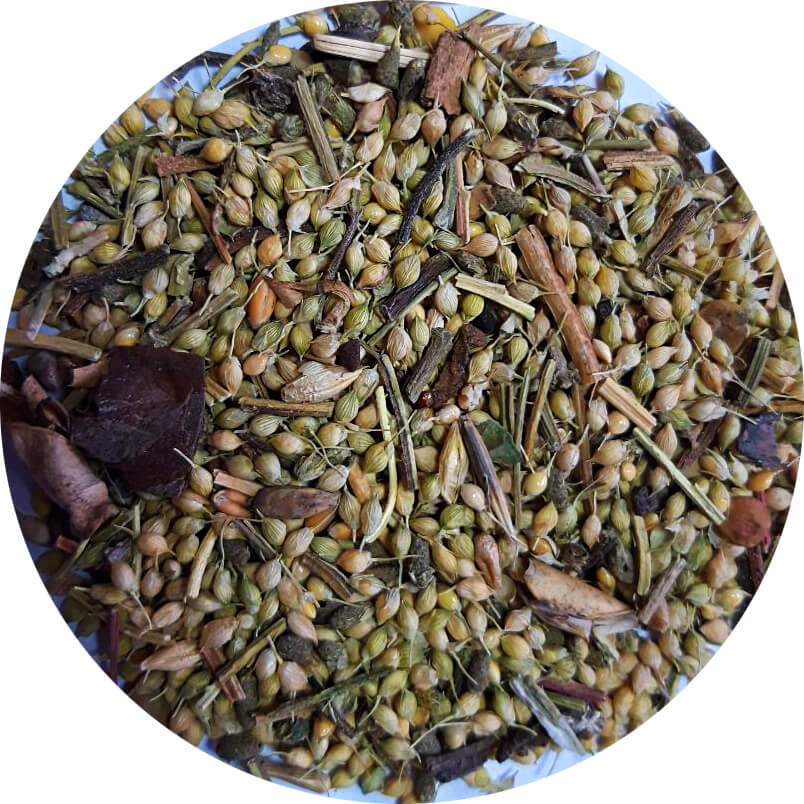
Gathering (large litter)
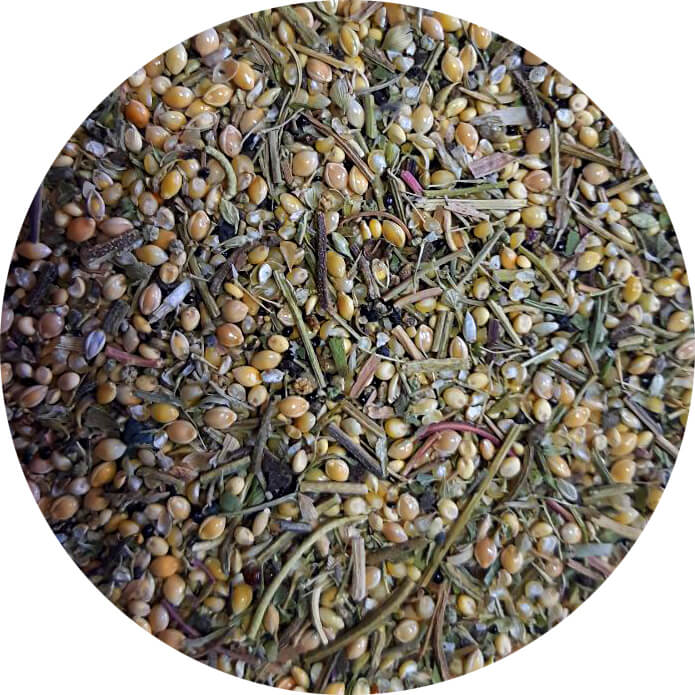
Small litter
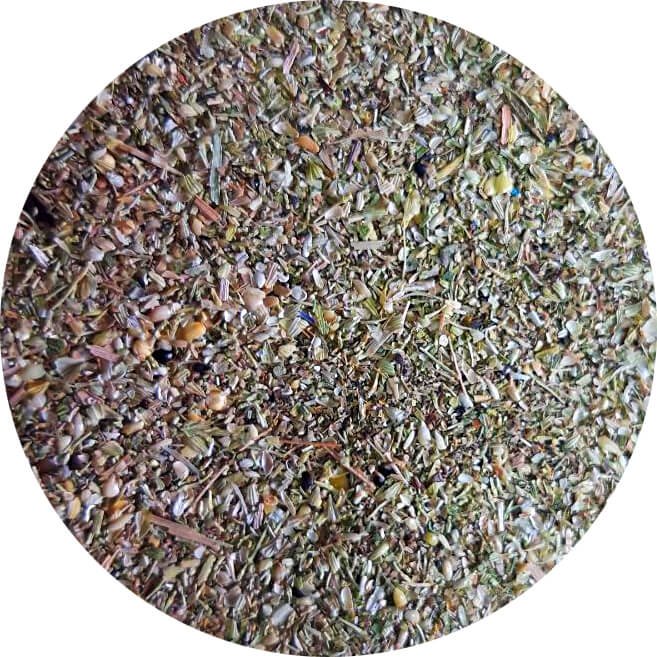
Aspiration relation
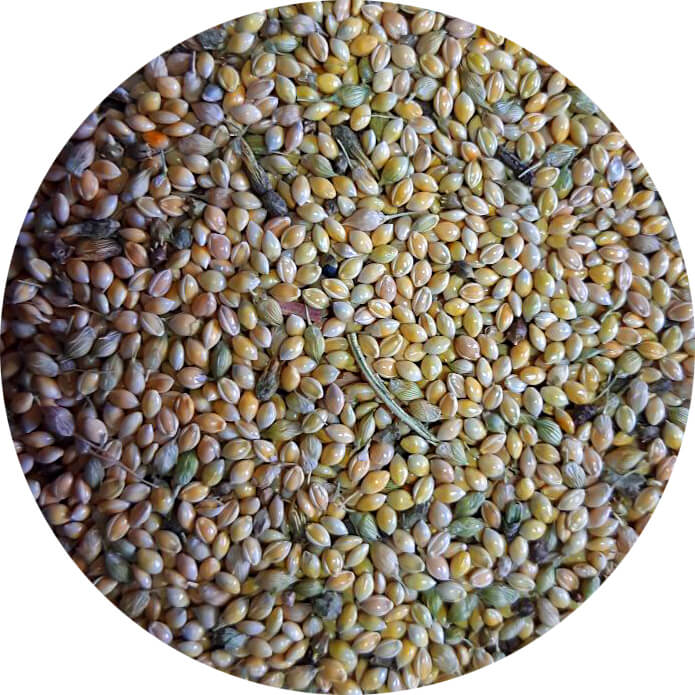
Light fraction (after PVSF)
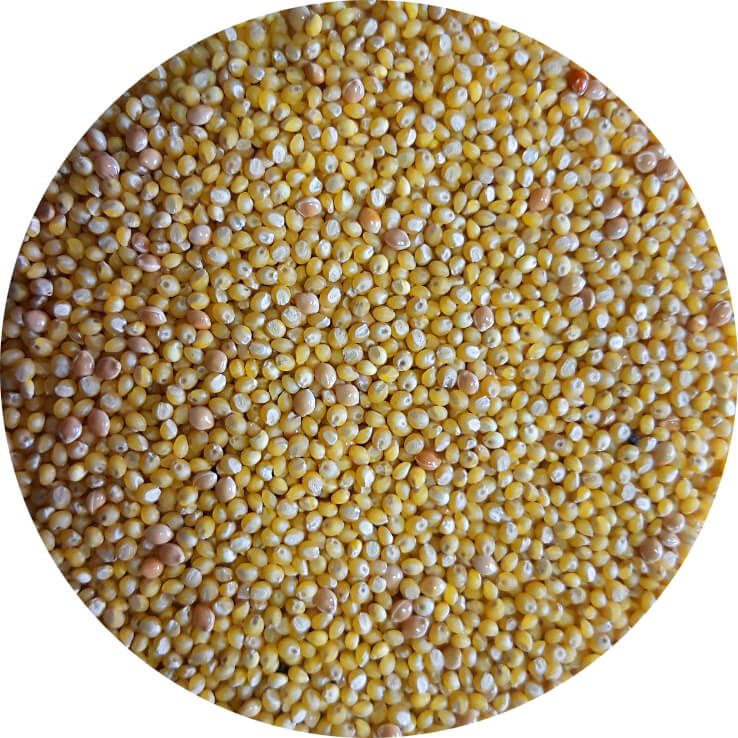
Heavy fraction of hulled millet (after PVSF)
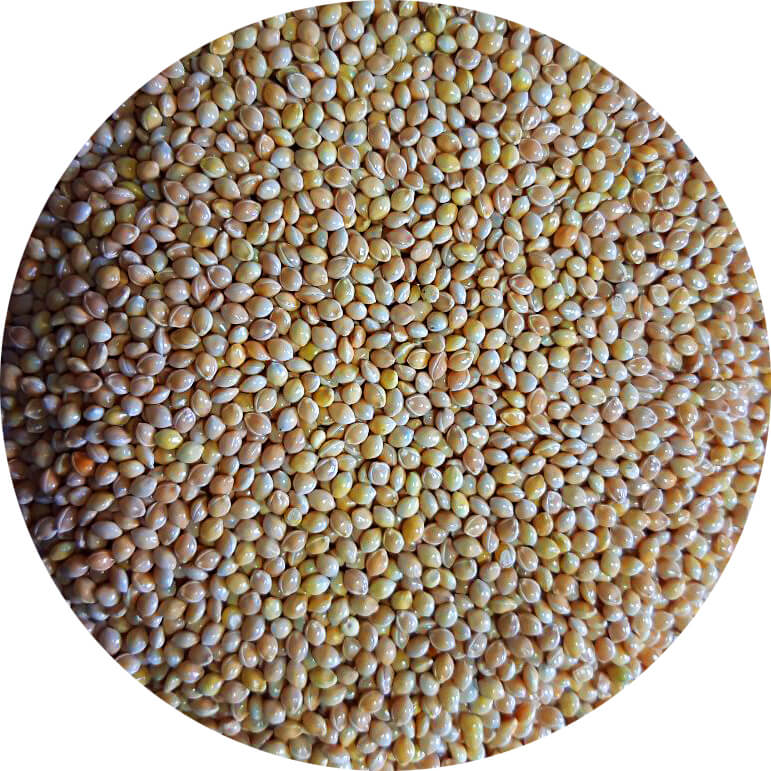
Strong heavy unhulled Millet (after PVSF)
Millet has another important economic direction. We are talking about vine-likemillet. Along with willow and miscanthus, it is a highly profitable energy crop. In many countries, vine-likemilletis used to produce methane, cellulose and composite materials. Vine-like millet is grown on unproductive eroded lands, which at the same time has a positive effect on the external environment.
Milletvine-like is a perennial crop, it can be grown in one area for 10-15 years. This crop is suitable for growing on slopes, on lands with an acidity of pH 5-7, on sandy and sandy loam lands, with low groundwater levels. Harvesting of vine-likemilletcan begin in the second year of cultivation. For 3-4 years, the dry mass yield is about 20 t/ha. Cleaning is best done when humidity is minimal [3]. The technology for growing vine-like millet has been well developed at the Institute of Bioenergy Crops and Sugar Beet of the National Academy of Sciences [4].
List of references:
- [1] Katerina Maklyak, Ph.D. n., Institute of Roslinnitsa im. V.Ya. Yur´eva NAAN. Krup'yana Niva./Maklyak K.// The Ukrainian Farmer. - sickle. – 2017. – pp. 98-100.
- [3] Igor Shevel, candidate of social-g. D., director of the NVA "Zemlerobets" Zhovtnevy district, Mykolayiv region, Vitaliy Shevel, graduate student, Mykolayiv National Agrarian University, Larisa Andriychenko, Ph.D. n., Mykolayivska DSDS IZZ NAAN of Ukraine. Speck is not scary for you./ Shevel I., Shevel V., Andriychenko L.// The Ukrainian Farmer. - worm. – 2016. – pp. 68-69.
- [6] V.M. Malasai, Head of the Department of Agricultural Technology and Environmental Safety, EITI NUHT, Ph.D. N., A. E. Strikhar, head of the Kiev Regional State Inspectorate, candidate of social-g. n.. Millet in Ukraine./ Malasai V.M., Strihar A.E. // Nasinnitstvo. – grass. – 2011. – pp. 7-10.
- [5] Oleksandr Ganzhenko, Ph.D. Sc., Mikhailo Gumentik, Ph.D. Sc., Volodymyr Kvak, Institute of Bioenergetic Crops and Beetroot NAANU. Switchgrass is millet for energy./ Ganzhenko O., Gumentik M., Kwak V.// The Ukrainian Farmer. – kviten. – 2014. – pp. 88-89.
- [4] Anna Belenikhina, Ph.D. Sc., Viktor Kostromitin, Dr. S.-G. Sc., professor, Mikola Tsekhmeistruk, Ph.D. n., Institute of Roslinnitsa im. V.Ya. Yur´eva NAANU. Millet as insurance./ Belenikhina A., Kostromitin V., Tsekhmeistruk M.// The Ukrainian Farmer. – kviten. – 2014. – pp. 62-63.
- [2] V.M. Tymchuk, S.M. Gorbachova, E.S. Bondarenko Institute of Plant Growing named after. V.Ya. Yuryev NAAS. Millet./ Tymchuk V.M., Gorbachova S.M., Bondarenko E.S.// AgroOne. – No. 6 (8). – 2016. – pp. 6-9.
- [7] Chekalin M.M., Doctor of Biological Sciences, Tishchenko V.M., Doctor of Social Sciences Sci., Bilyavska L.G., Ph.D. Millet processing technology./ Chekalin M.M., Tishchenko V.M., Bilyavska L.G.//???. - No. ???. – pp. 24-29.